
Mistakes, Fear, and Team Culture: What Your Feedback Really Told Us
Well, it's good to know people are reading our blog! After my last blog post on mistakes earlier this week, I heard something over and over from team members:
“You don’t understand—we get in trouble if we mess up.”
Wow. That one sentence explains more about a practice’s culture than any mission statement ever could.
Because when people say that, they’re not talking about accountability. They’re talking about fear. And fear changes behavior fast.
Why Silence Feels Safer Than Speaking Up
Most team members don’t avoid mistakes because they don’t care. They want to avoid visibility.
If the cost of being wrong is embarrassment, defensiveness, or punishment, people learn quickly to stay quiet. They double-check in private. They fix things silently. Or worse—they say nothing and hope the problem resolves itself.
Have you ever watched Jeopardy!? Or any game show for that matter...
It’s easy to say, “I knew that!” after the contestant answers correctly. Much harder to say it out loud before the buzzer. If you’re wrong, everyone knows. If you stay silent, you’re safe.
Teams operate the same way.
When the culture teaches, “Mistakes equal trouble,” silence becomes a survival skill.
This Isn’t a Mistake Problem—It’s a Leadership Signal
When team members say “we get in trouble,” that’s not feedback about their performance.
It’s feedback about leadership behavior.
Tone matters.
Reactions matter.
What happens after the mistake matters more than the mistake itself.
If leaders respond with frustration, blame, lecturing, or subtle disappointment, the message is clear—even if unintentionally delivered:
Mistakes = Punishment
And when problems go underground, everyone ends up carrying more stress, fixing the same issues repeatedly, and leaders are wondering why the team “isn’t more proactive.”
Not All Mistakes Deserve the Same Reaction
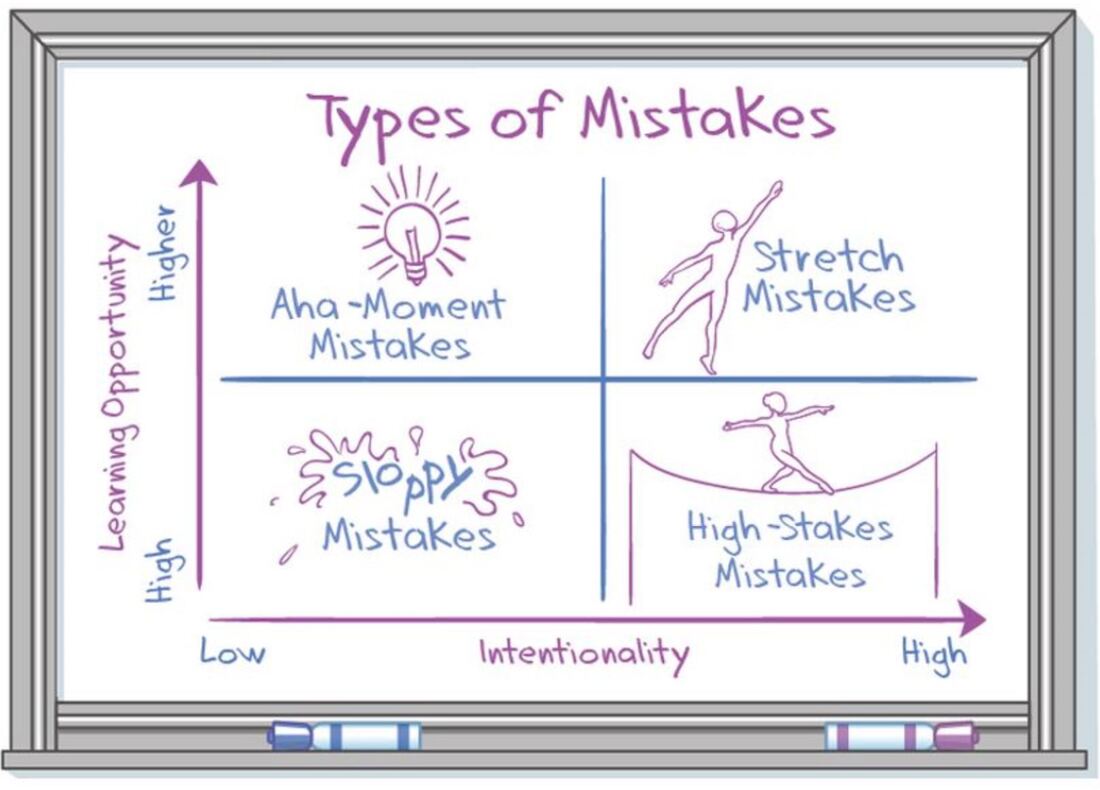
One of the biggest misses we see in practices is treating all mistakes the same.
They aren’t.
-
Sloppy mistakes (cutting corners, skipping steps) need correction.
-
Aha-moment mistakes are unintentional and create learning.
-
High-stakes mistakes are why we practice before it really counts.
-
Stretch mistakes happen when someone tries something new—and they’re essential for growth.
Here’s the culture killer:
When stretch mistakes are punished like sloppy mistakes, initiative disappears.
People stop volunteering ideas. They stop speaking up early. They stop trying new approaches. Not because they’re lazy—but because they’re protecting themselves.
Team Exercise: Replace Fear with Forward Motion
Use this in a meeting or huddle...
The parameters:
No blame. No replaying the mistake. No storytelling spirals.
Ask only these three questions:
-
What do we want to happen next time?
-
What system or expectation needs to change to support that?
-
Who owns the follow-up?
That’s it.
The goal isn’t to dissect what went wrong.
The goal is to remove fear and create clarity.
Strong teams aren’t flawless. They’re honest. They’re accountable. And they know how to move forward without digging up old bones and reliving the past!